
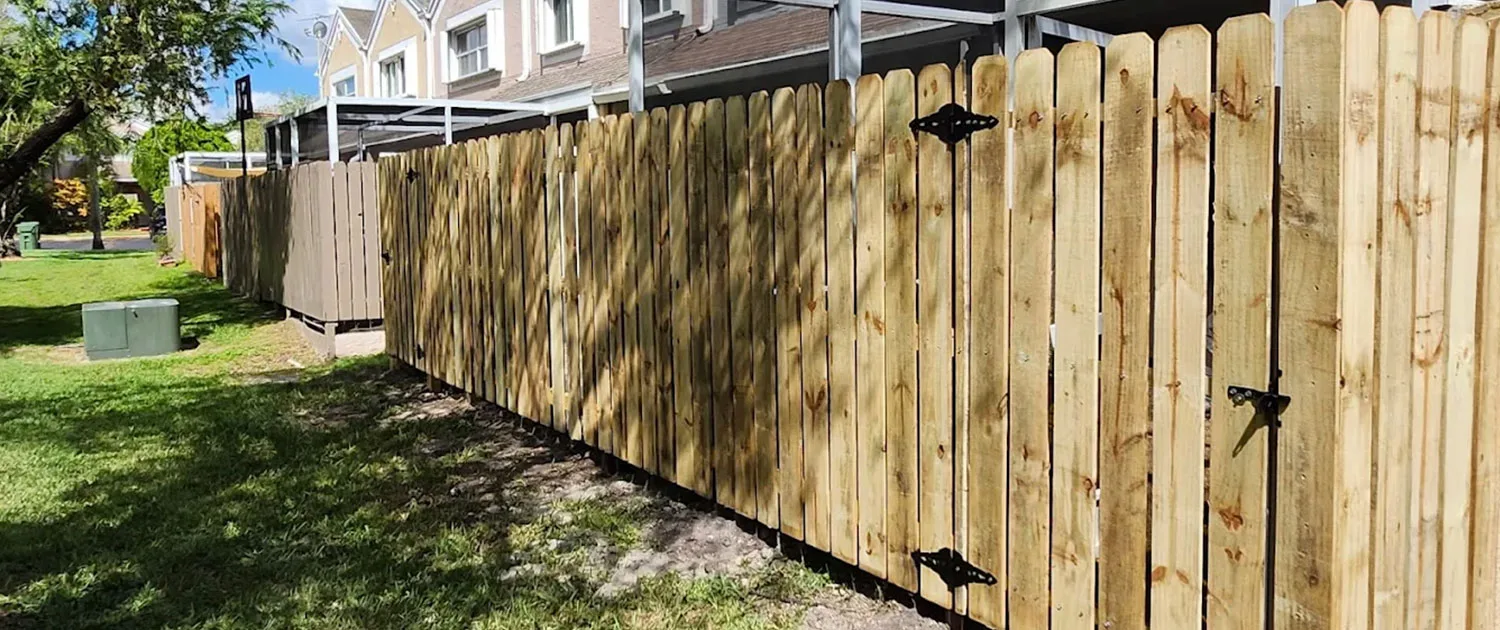
Best Options to Stain or Seal a New Wood Fence
A new wood fence is a significant investment in your home’s curb appeal and privacy. However, leaving it untreated leaves it vulnerable to warping, splitting, and graying from UV rays and moisture. Staining or sealing is essential to protect that investment. But with so many options, what is the best approach for a brand-new fence?
Here is a breakdown of the best options to stain or seal a new wood fence to ensure it lasts for years.
1. The Best Option: Oil-Based Stain and Sealer in One
For most homeowners, combining staining and sealing into one step is the best approach for both protection and ease of application. High-quality oil-based products are highly recommended because they penetrate deep into the wood fibers rather than forming a film on top.
- Why it’s best: It provides both UV protection (from the pigments) and water resistance (from the oils).
- Top Pick: Ready Seal Exterior Wood Stain and Sealer is widely considered the best choice for beginners and pros alike. It is “goof-proof,” meaning it requires no back-brushing, won’t leave streaks, and can be applied in various temperatures.
- Another Option: EXPERT Stain & Seal is another top-rated professional-grade option that offers superior UV blocking for sun-exposed areas.
2. Semi-Transparent Stain
If you have high-quality lumber like cedar or redwood, you likely want to showcase the natural grain. A semi-transparent stain is the ideal balance. It offers more pigment than a clear sealer (better UV protection) but still allows the wood grain to show through.
- Best for: Enhancing the natural beauty of new wood while preventing graying.
- Longevity: These typically last 3–5 years on vertical surfaces before needing a re-coat.
3. Clear Sealer (For Maximum Natural Look)
If you do not want to change the color of the wood at all, a clear sealer is an option, but it comes with a downside. Most clear sealants provide little to no UV resistance, meaning the wood will still turn grey.
- Recommendation: Use a clear sealer that specifically contains UV blockers, such as Seal-Once Nano+Poly, to maintain the natural wood color for longer.
4. When to Apply: The “Waiting” Rule
Do not stain or seal a brand-new fence immediately. New lumber, especially pressure-treated wood, has a high moisture content and a factory-applied “mill glaze”.
- The Rule: Wait at least 3–6 weeks for the wood to dry out, or perform the “water test” (sprinkle water on the wood; if it beads up, it’s not ready; if it absorbs, you can stain).
5. Best Application Method
For the best results, use a high-volume low-pressure (HVLP) sprayer to apply the stain, then immediately “back-roll” or “back-brush” it with a brush to force the stain into the wood pores.
- Tip: Always start from the top and work down to avoid drips.
Wood Fence Stain or Seal Wrap-Up
For the best combination of beauty, protection, and ease of use, a high-quality, oil-based semi-transparent stain-and-sealer combo like Ready Seal is the best option for a new fence. It protects against both the sun and rain, ensuring your fence looks great for years to come.
For additional information on how to care for your vinyl fence or to request vinyl fence service or installation, please contact us!
